Tag: biosensor
-

A typical sunset viewed from the lab
-

Congrats, Dr. Basanta!
Baker lab graduate student Benjamin Basanta successfully defended his thesis today! He was joined by his parents, who flew in from Argentina. By applying machine learning tools, Benja has greatly expanded the repertoire of available de novo designed proteins bearing pockets.
-
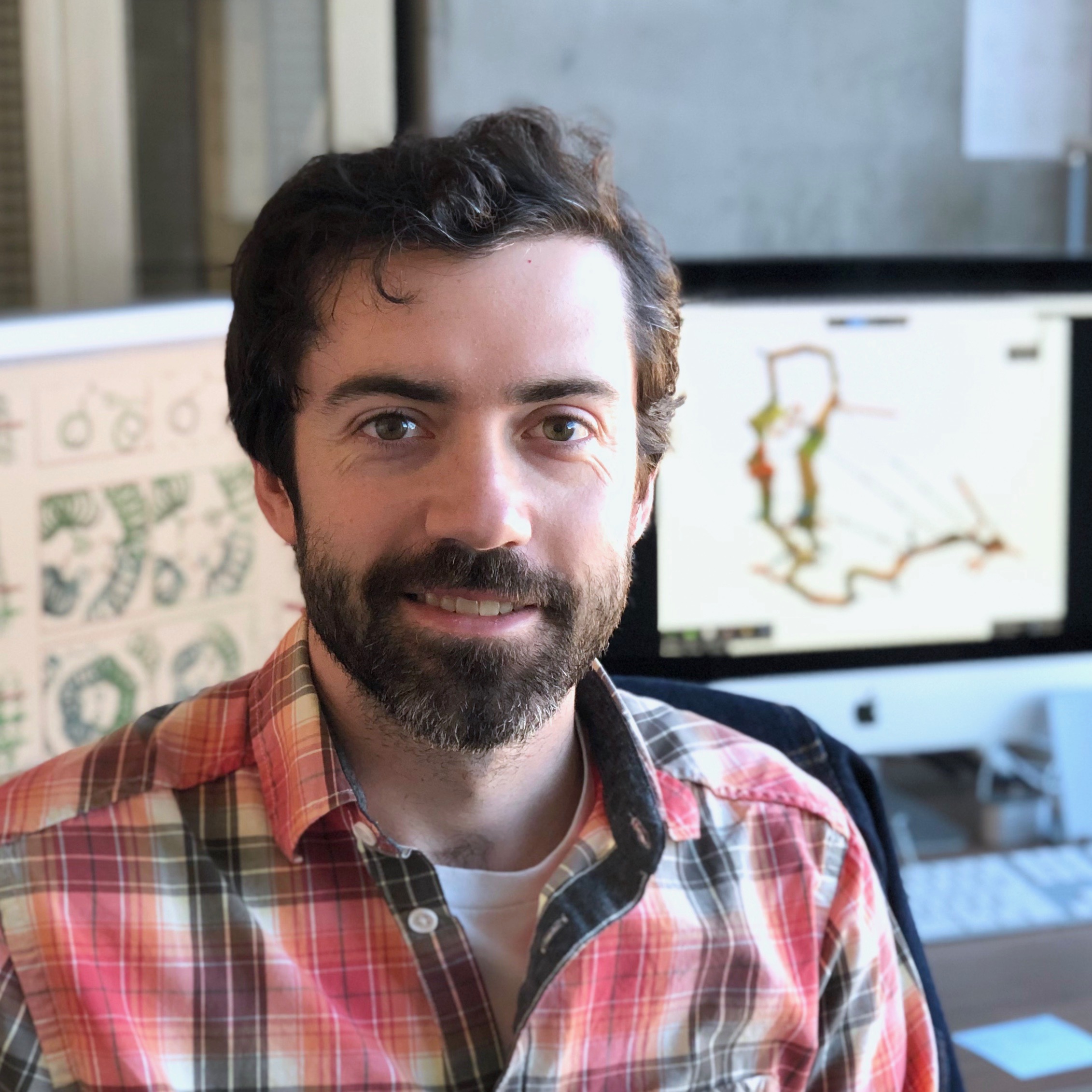
Congrats, Dr. Koepnick!
Baker lab graduate student Brian Koepnick successfully defended his thesis today! Brian has helped a community of over 700,000 citizen scientists gain access to advanced tools for protein design through his work with Foldit.
-

Lab meeting? SNOWBALL FIGHT.
Snow usually doesn’t stick around long in Seattle, so when members of the lab discovered that the overnight dusting was more serious than usual — and that it would last well into the afternoon — the normally scheduled 3pm lab meeting was called of so that scores could be settled in the cold. Or maybe it…
-
Potent anti-cancer proteins with fewer side effects
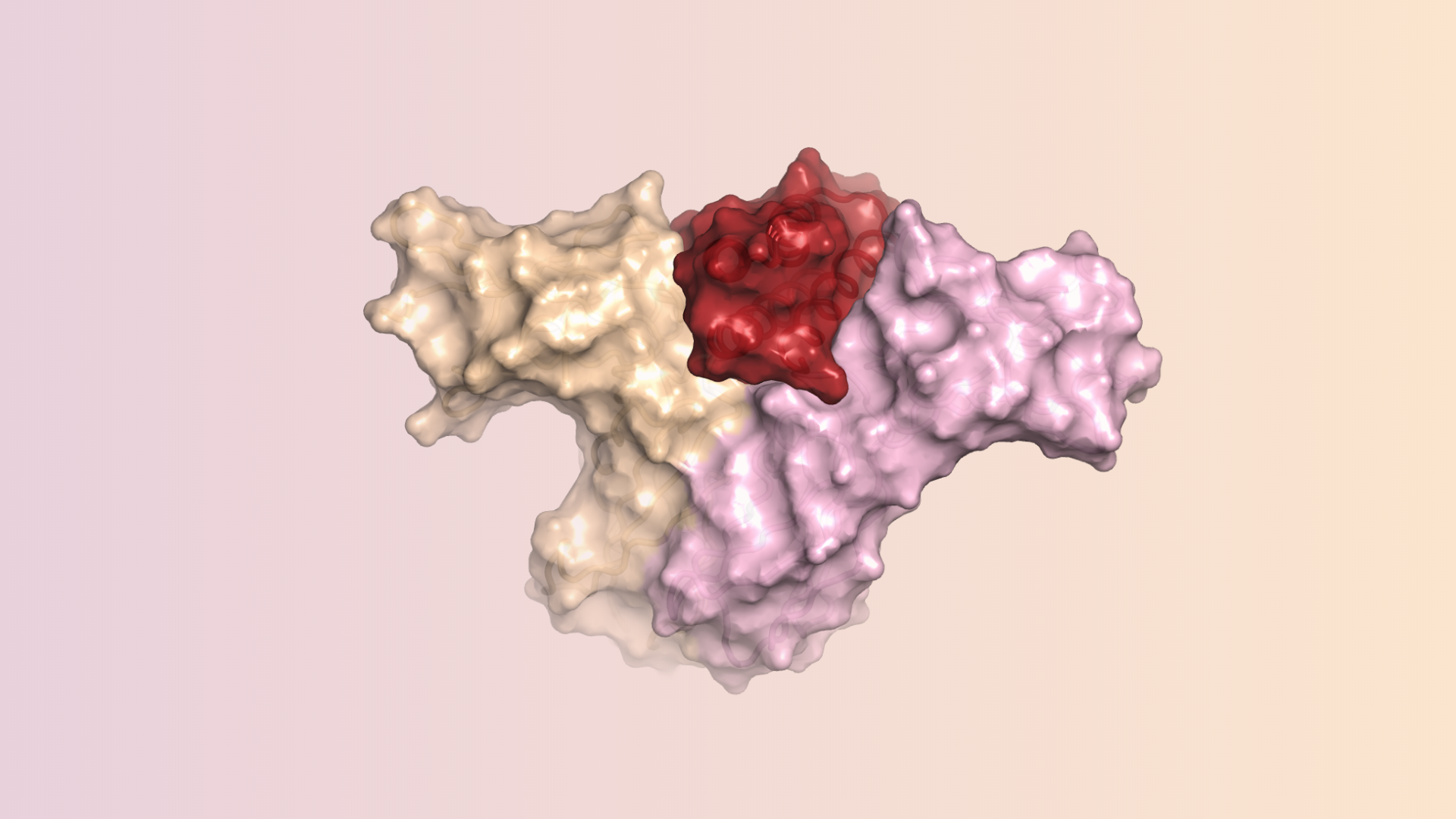
Today we report in Nature the first de novo designed proteins with anti-cancer activity. These compact molecules were designed to stimulate the same receptors as IL-2, a powerful immunotherapeutic drug, while avoiding unwanted off-target receptor interactions. We believe this is just the first of many computer-generated cancer drugs with enhanced specificity and potency. “People have…
-
New designer proteins mimic DNA
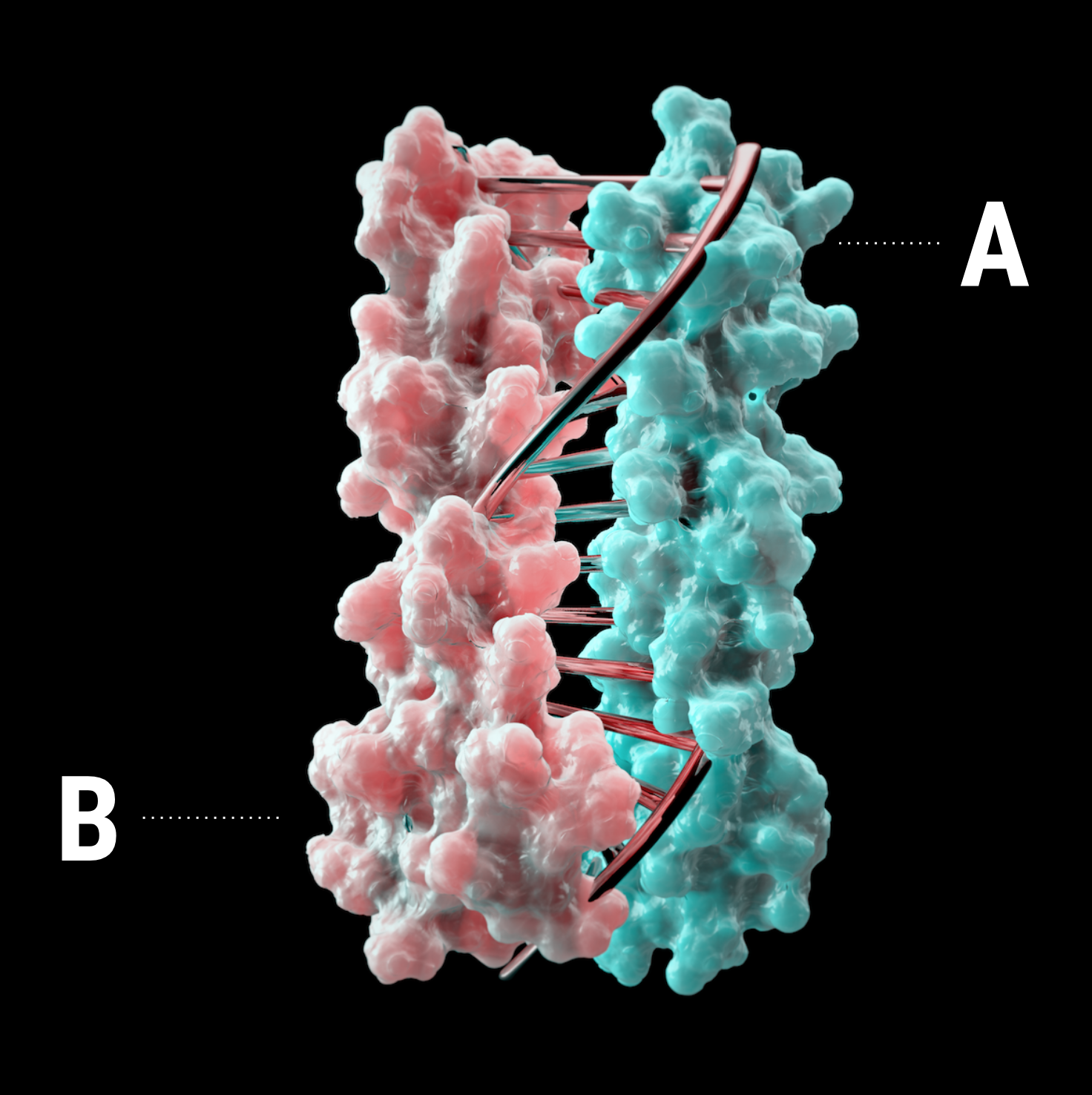
To close out the year, we published a new report describing the creation of proteins that mimic DNA. We believe this breakthrough will aid the creation of bioactive nanomachines. DNA is a widely used building material at the nanoscale because it is simple and predictable: A pairs with T and C pairs with G. Because…
-
Dynamic filaments from scratch
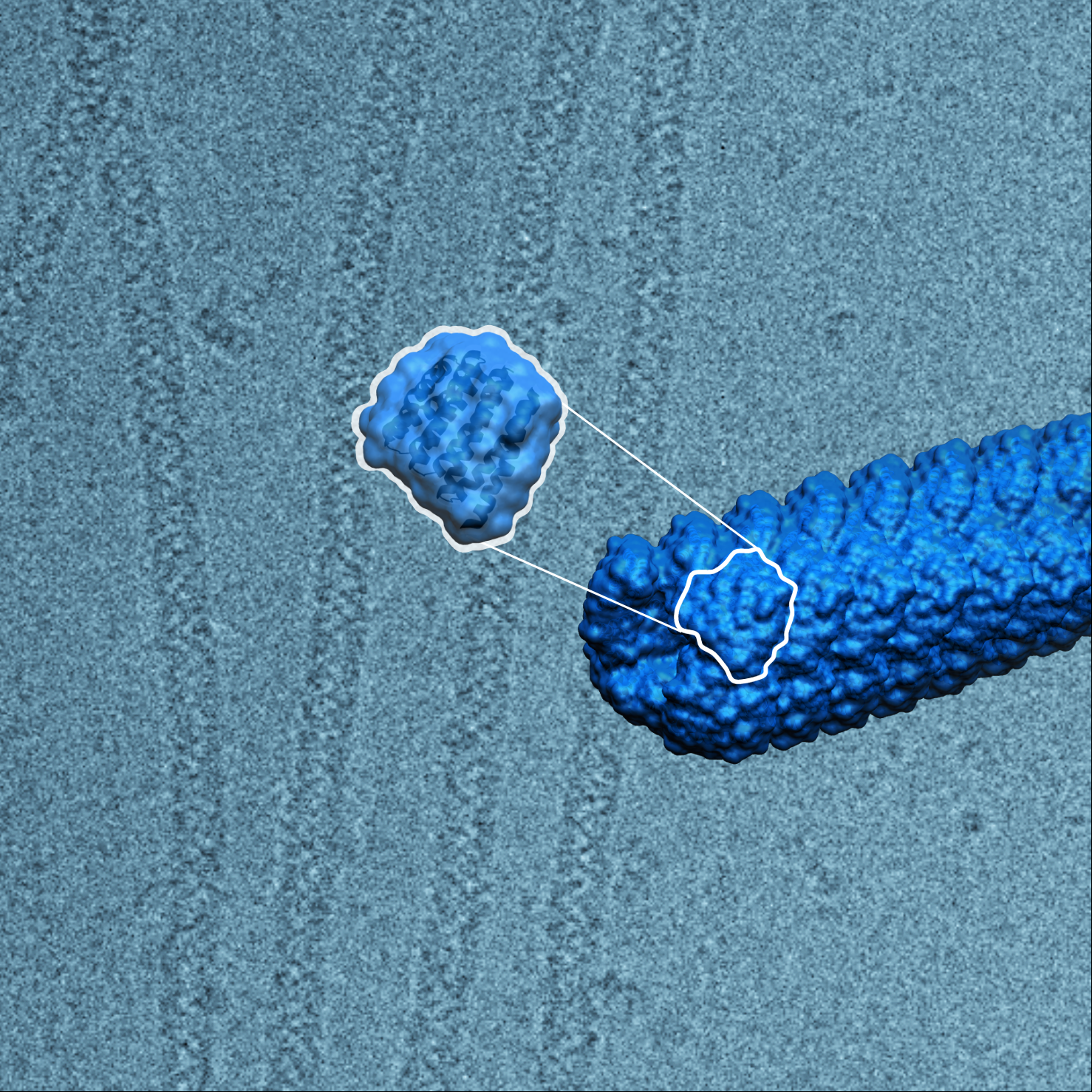
Built to be reversible There has been some success in designing stable peptide filaments; however, mimicking the reversible assembly of many natural protein filaments is challenging. Dynamic filaments usually comprise independently folded and asymmetric proteins and using such building blocks requires the design of multiple intermonomer interfaces. Shen et al. report the design of self-assembling…
-
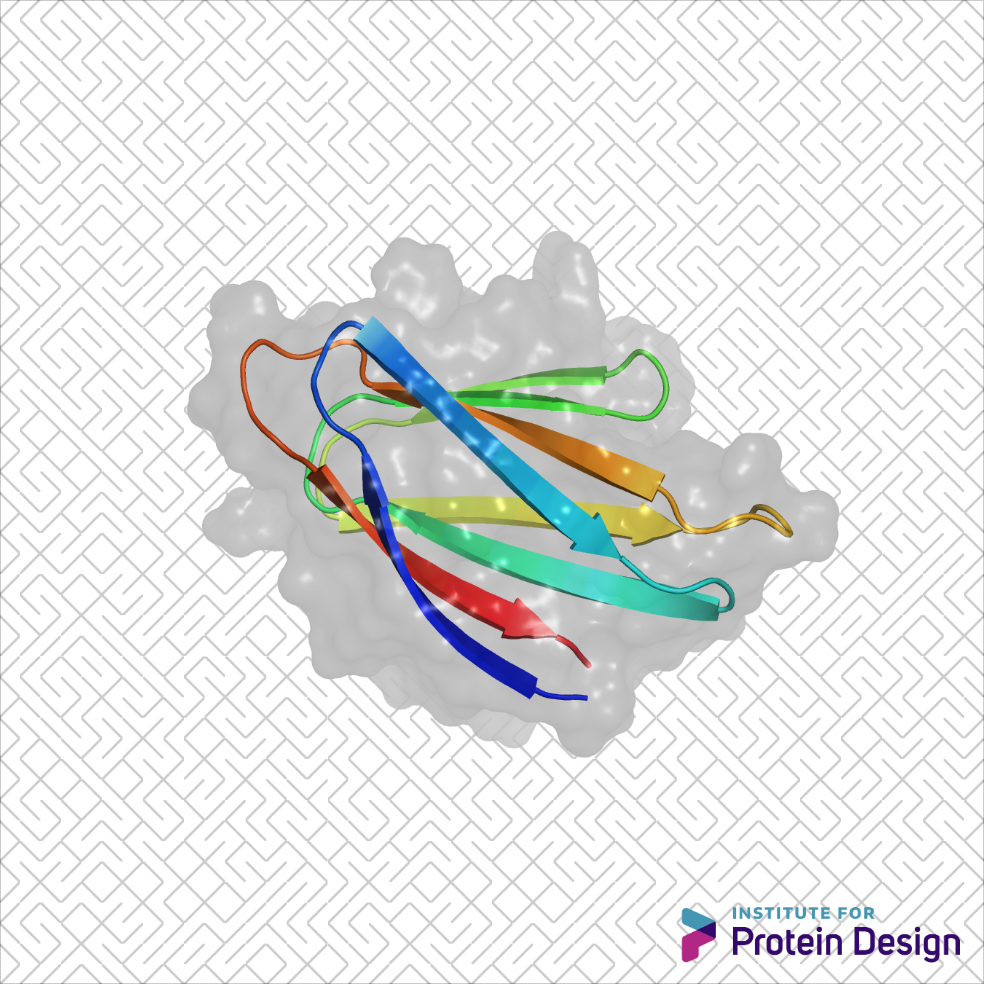
Rolling out new jellies
The basic parts of proteins — helices, strands and loops — can be combined in countless ways. But certain combinations are trickier than others. This week scientists from the IPD, along with collaborators in Brno and Santa Cruz, published the first-ever example of designed non-local beta-strand interactions. Beta-sheet proteins carry out critical functions in biology,…